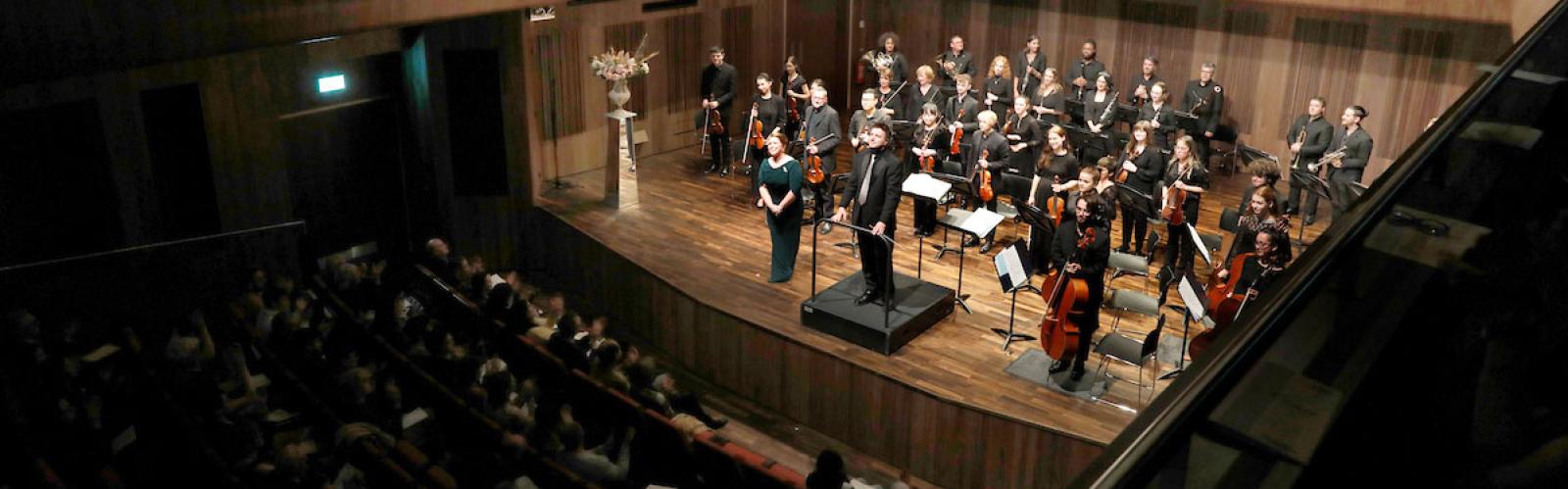
RIAM Gala Concert in the Whyte Recital Hall at RIAM

A year shaped by music

Individual tuition and creative mentorship with leading artists. Time and space to develop your own voice. Ensembles, productions, collaborations and performances that bring your work beyond the practice room.

At RIAM, music is not something that happens around your studies. It is the way you learn, connect and grow.

Students Performing at ChamberFest Dublin 2019

THE RIAM YEAR

Your life as a musician starts here

From your first days at RIAM to your final performances, recitals, projects and submissions, you will be part of a close, ambitious community of musicians.

Your week may include an individual lesson, coaching, rehearsals, academic classes, creative projects, independent practice and live performance. Pianists collaborate with instrumentalists and singers. Vocal students move between language, movement, coaching and performance. Composers develop work through individual tuition, seminars, technology and collaborative projects. Instrumentalists build experience through chamber music, faculty ensembles and intensive orchestral projects.

No two students follow exactly the same path, but everyone is learning through music, alongside people who are equally committed to it.

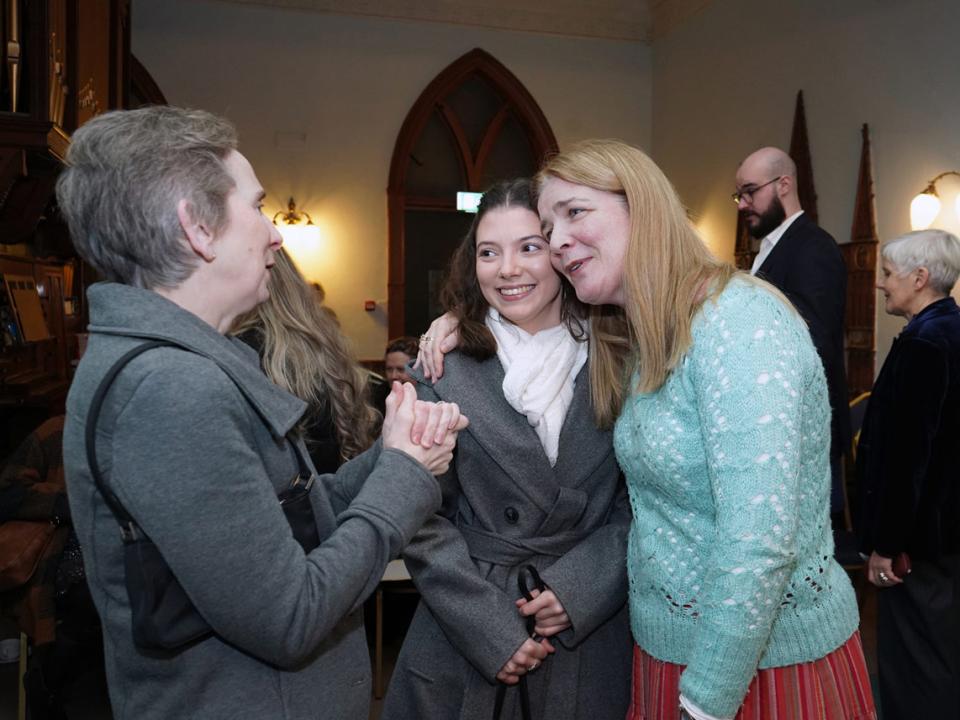
Diane Daly, Head of Strings, hugs a student at RIAM graduation ceremony

YOUR TEACHER

At the centre of your studies is regular individual tuition or creative mentorship with a specialist teacher who understands both your discipline and the demands of a professional musical life.

Together, you will develop technique and craft, explore repertoire or creative ideas, and make considered artistic choices. Your teacher will challenge you, support you and help you build the confidence to shape your own musical identity.

For Strings, Vocal Studies, and Wind, Brass and Percussion students, this includes two hours of individual principal-study tuition each week. Keyboard and Composition students also receive regular one-to-one principal-study tuition, structured according to their programme.

That individual work is strengthened by performance classes, coaching, seminars, workshops, masterclasses and feedback from across your faculty. You are not developing in isolation. You are learning to listen, respond and create as part of a wider artistic community.

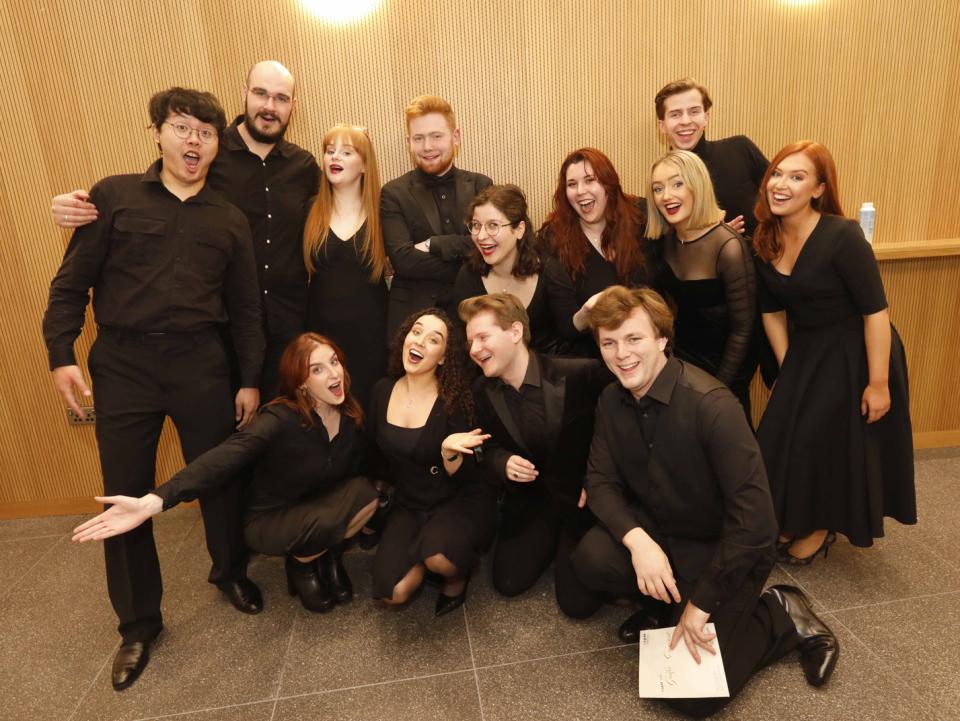
RIAM Vocal students, dressed in black, pse for a group shor at the RIAM 175 Gala Concert

YOUR MUSICAL COMMUNITY

Collaboration is part of everyday life at RIAM.

Depending on your programme, principal study and year, your week might include chamber music, String Ensemble, RIAM Chorale, opera, collaborative piano, contemporary music, historical performance, faculty projects or orchestral preparation.

Pianists work as soloists, chamber musicians, accompanists and répétiteurs. Vocal students collaborate with pianists, conductors, language tutors, directors and fellow singers. Composers create in dialogue with performers through seminars, workshops and selected Performance Spotlight projects. Instrumentalists move between solo work, chamber groups, faculty ensembles and intensive large-scale projects.

Groups and projects change throughout the year, allowing you to encounter different musicians, musical styles and ways of working. You learn how to lead, how to support and how to create something together that no individual performer could produce alone.

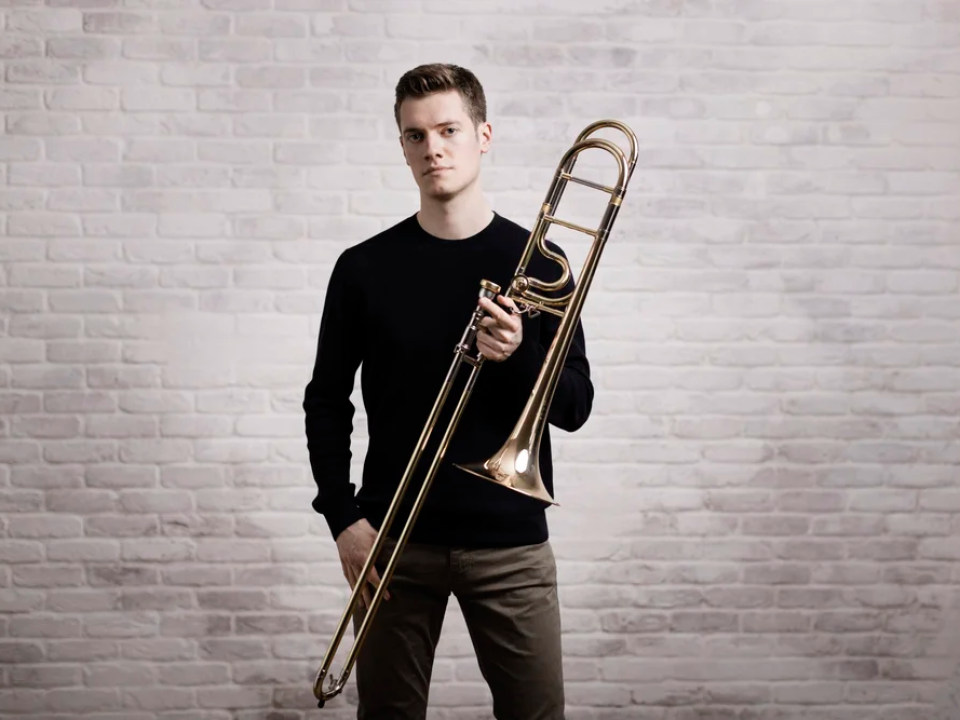
Peter Moore, trombonist starting with his instrument facing the camera

THE ARTISTS YOU MEET

New perspectives from the wider musical world

Throughout the year, visiting performers, composers, conductors and creative practitioners come to RIAM to work directly with students.

Masterclasses offer the opportunity to perform, observe and receive detailed feedback from artists with international careers. Visiting musicians also contribute through seminars, workshops, coaching, residencies and public conversations.

These encounters expose you to different approaches and traditions. They can challenge your assumptions, open new possibilities and help you understand the many ways a life in music can take shape.

vr

PERFORMANCE

Performance and public presentation are woven throughout the RIAM year.

You may appear in a faculty class, lunchtime concert, orchestral programme, opera production, chamber performance, competition final or public recital. Composition students may develop and present work through seminars, collaborative projects, portfolio work and Performance Spotlight activity.

Some performances mark major milestones. Others are opportunities to test an idea, take a risk or become more comfortable on stage.

RIAM’s purpose-built campus places teaching, rehearsal and performance alongside one another. The Whyte Recital Hall provides a professional setting for major student and visiting-artist performances, while other spaces support more intimate, experimental and collaborative work.

You are encouraged to see performance not simply as the finished result, but as part of how you learn.

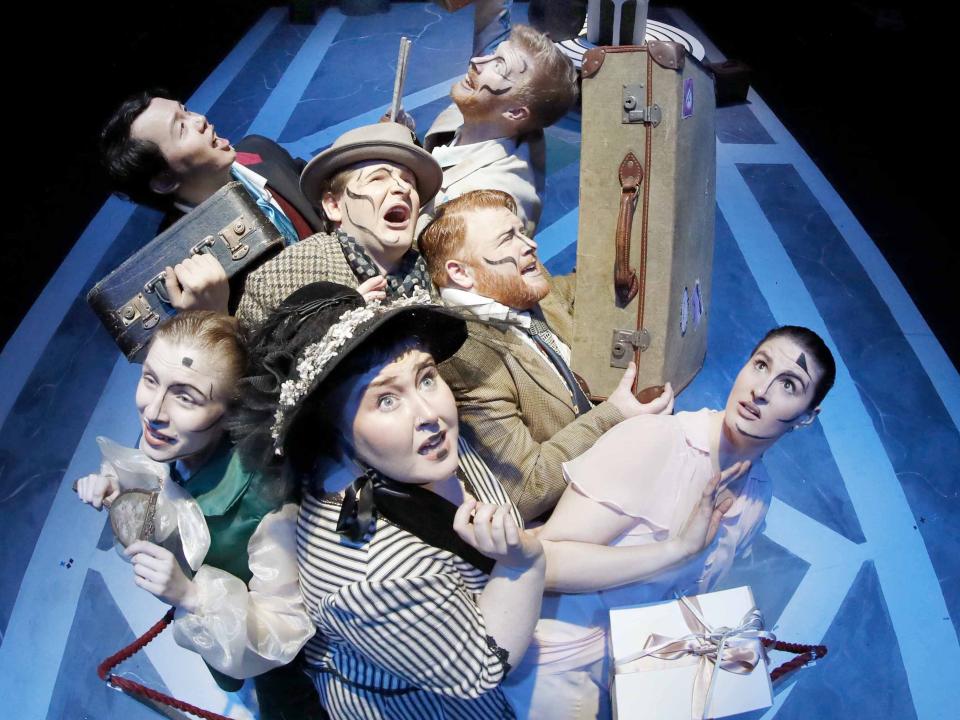
Promotional photo from RIAM opera - Postcards from Morocco

THE BIG PROJECTS

Each year brings projects that draw students and faculties together.

Vocal students prepare for fully staged opera productions, working across music, language, movement and drama. Instrumentalists and conductors undertake major orchestral programmes. Pianists develop through solo, chamber and collaborative performance. Composers hear new works rehearsed and performed by fellow students.

Competitions create opportunities for students to prepare substantial repertoire and perform under pressure. ChamberFest Dublin brings chamber music into focus through an intensive period of rehearsal, coaching and public performance.

These experiences ask more of you than musical preparation alone. They develop independence, resilience, communication and the ability to contribute to an ambitious shared project.

TERM BY TERM

How the year unfolds

The academic year develops in stages. Some periods are focused on settling in and building new routines. Others are shaped by productions, competitions, festivals and final performances.

The precise rhythm varies by programme, faculty and year of study, but this is how the RIAM year may feel.

Arrive, connect and begin

Your first term is about establishing your musical and academic rhythm.

You meet your teachers and fellow students, begin lessons and classes, join ensembles and start preparing for your first performances. Rehearsals, faculty activities and visiting-artist events quickly become part of your week.

By the end of the term, RIAM is no longer simply where you study. It is the community in which you make music.

Typical moments may include:

  • Orientation and induction
  • First individual lessons and coaching sessions
  • Ensemble and chamber music rehearsals
  • Faculty performance classes
  • Visiting-artist masterclasses
  • Orchestral and vocal performances
  • Assessments and end-of-term concerts

Develop, perform and collaborate

The middle of the year often brings the greatest concentration of rehearsals and public activity.

Opera productions, orchestral projects, faculty performances and competitions take shape. Chamber groups deepen their work, visiting artists continue to arrive and students begin preparing more intensively for major end-of-year performances.

Your workload grows, but so does your sense of artistic direction.

Typical moments may include:

  • Opera rehearsals and productions
  • Competition heats and finals
  • Orchestral and ensemble projects
  • Chamber music coaching
  • Student and faculty concerts
  • Visiting-artist series
  • Preparation for final recitals and assessments

Bring the year to the stage

The final part of the year brings together the work developed across the previous months.

ChamberFest Dublin fills the campus with rehearsals, coaching and performance. Final recitals allow students to present substantial programmes shaped through sustained individual work. Compositions, collaborations and research projects reach their public or academic conclusion.

For many students, the final performance is not simply an examination. It is a statement of how far they have travelled during the year.

Typical moments may include:

  • ChamberFest Dublin
  • Final recital examinations
  • Composition performances
  • End-of-year showcases
  • Academic assessments
  • Graduation performances and celebrations

(THERE'S NO SUCH THING AS) A TYPICAL WEEK AT RIAM

Study, practice, rehearsal and performance

Every student’s timetable is different.

Your week will depend on your principal study, programme, year group, ensemble commitments and current projects. It will combine scheduled teaching with independent practice, rehearsal, creative preparation and performances.

Rather than presenting a single timetable as typical for everyone, students could select a pathway to see one possible version of an RIAM week.

A pianist’s week moves constantly between concentrated individual work and collaboration.

Your principal study lesson helps you shape technique, repertoire and interpretation. Performance classes allow you to present work in progress and learn from other pianists. Chamber music and accompanimental work develop your ability to listen, respond and adapt.

Academic and practical musicianship classes deepen your understanding of the music you perform. Masterclasses, faculty concerts and the Dublin International Piano Series bring leading international artists into your wider learning environment.

A possible week

Monday
Practical musicianship or aural studies, followed by individual practice and an academic lecture.

Tuesday
Principal study lesson, repertoire preparation and independent practice.

Wednesday
Chamber music rehearsal, collaborative piano work or a faculty performance class.

Thursday
Music creation, analysis or contextual studies, followed by further rehearsal and practice.

Friday
A visiting-artist masterclass, coaching session or evening performance.

Signature experiences

  • Performing in a piano masterclass
  • Collaborating with singers and instrumentalists
  • Performing chamber music
  • Preparing a concerto or substantial solo programme
  • Presenting an end-of-year recital

A singer’s week brings together voice, language, movement, musicianship and dramatic communication.

Your individual singing lesson remains central, but your development also takes place through repertoire coaching, language study, performance class and collaborative work with pianists and other singers.

During production periods, opera rehearsals become a significant part of the week. You may move from detailed technical work in the teaching studio to staging, ensemble rehearsal and performance in the same day.

A possible week

Monday
Individual practice, language study and an academic or musicianship class.

Tuesday
Principal study lesson, followed by repertoire coaching with a pianist.

Wednesday
Chorale, ensemble rehearsal or a vocal performance class.

Thursday
Movement, stagecraft, language coaching or preparation for an opera scene.

Friday
Opera rehearsal, visiting-artist masterclass or evening concert.

Signature experiences

  • Performing in a vocal masterclass
  • Working with a répétiteur or language coach
  • Singing in RIAM Chorale
  • Taking part in an opera production
  • Presenting a final recital

Your individual lesson and practice provide the foundation, but much of your development happens through playing with others.

Chamber music teaches close listening and shared decision-making. String ensemble and orchestral projects develop precision, flexibility and collective sound. Performance classes give you regular opportunities to present repertoire and receive feedback.

At different points in the year, rehearsals may intensify around orchestral concerts, chamber performances, competitions or recitals.

Signature experiences

  • Chamber music coaching and performance
  • String ensemble and orchestral projects
  • Visiting-artist masterclasses
  • Competitions and solo performances
  • ChamberFest Dublin
  • The end-of-year recital

Your week combines focused individual development with ensemble playing, orchestral repertoire and performance.

Principal study lessons and independent practice build technique and musical confidence. Ensemble rehearsals ask you to listen across sections, respond to conductors and adapt to different musical settings.

You may move between solo repertoire, chamber music, orchestral projects and contemporary work throughout the year.

Signature experiences

  • Orchestral rehearsals and concerts
  • Chamber music projects
  • Sectional and ensemble coaching
  • Visiting-artist masterclasses
  • Solo and competition performances
  • The final recital

A composer’s week moves between ideas, notation, technology, discussion and live sound.

Individual composition tuition supports the development of your creative voice. Workshops and rehearsals allow you to hear your work, test decisions and respond to performers. Academic study places your practice in a wider musical and cultural context.

Collaboration is essential. You learn how to communicate clearly with performers and how a piece continues to evolve once it leaves the page or screen.

Signature experiences

  • Individual composition tutorials
  • Workshops with student performers
  • Digital audio and music technology
  • New-music rehearsals
  • Public performances of student work
  • Completing a major creative portfolio
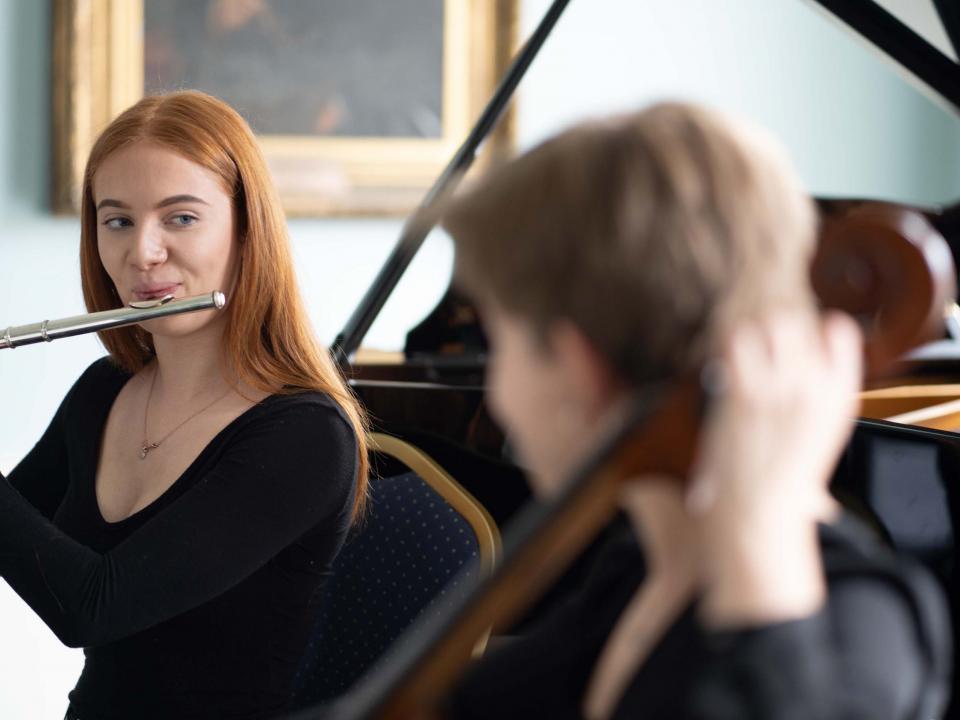
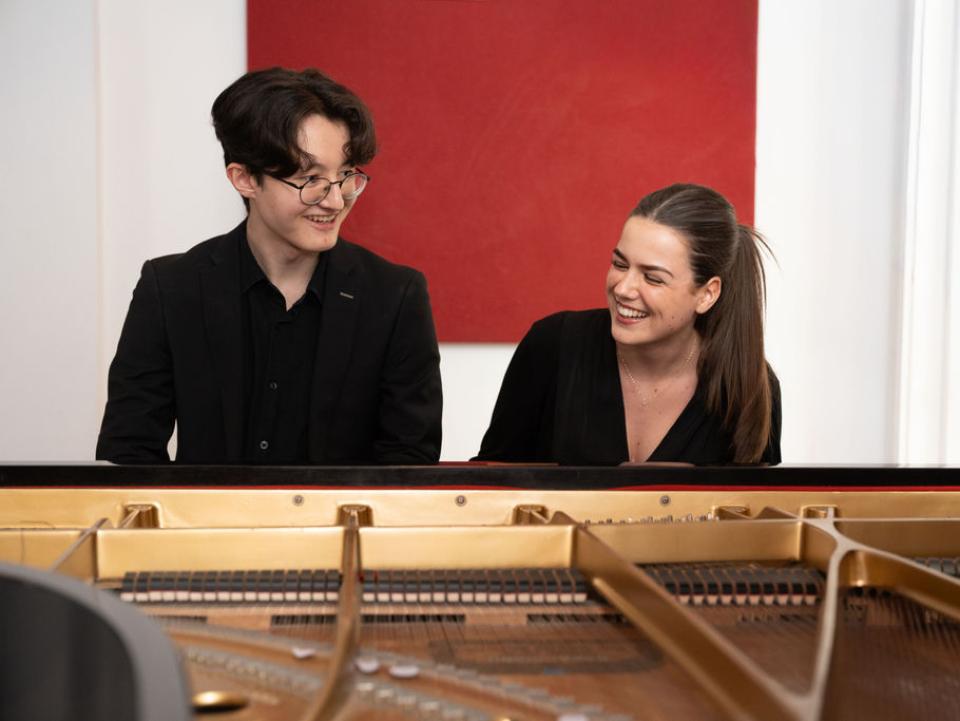
Two smiling students sit behind a piano enjoying a moment of lightheartedness during a rehearsal

BEYOND THE TIMETABLE

The conversations between classes matter too

Some of the most valuable parts of conservatoire life cannot be placed neatly in a timetable.

It is the pianist you meet who becomes your regular collaborator. The chamber group that stays behind to solve one difficult passage. The conversation after a masterclass that changes how you think about a piece. The student concert you attend because your friends are performing.

RIAM is a focused musical environment, but it is also personal. Students, teachers, performers and audiences share one city-centre campus, creating a community in which people know one another and artistic relationships can grow over time.

ew

Studying in Dublin

A capital city with music at its centre

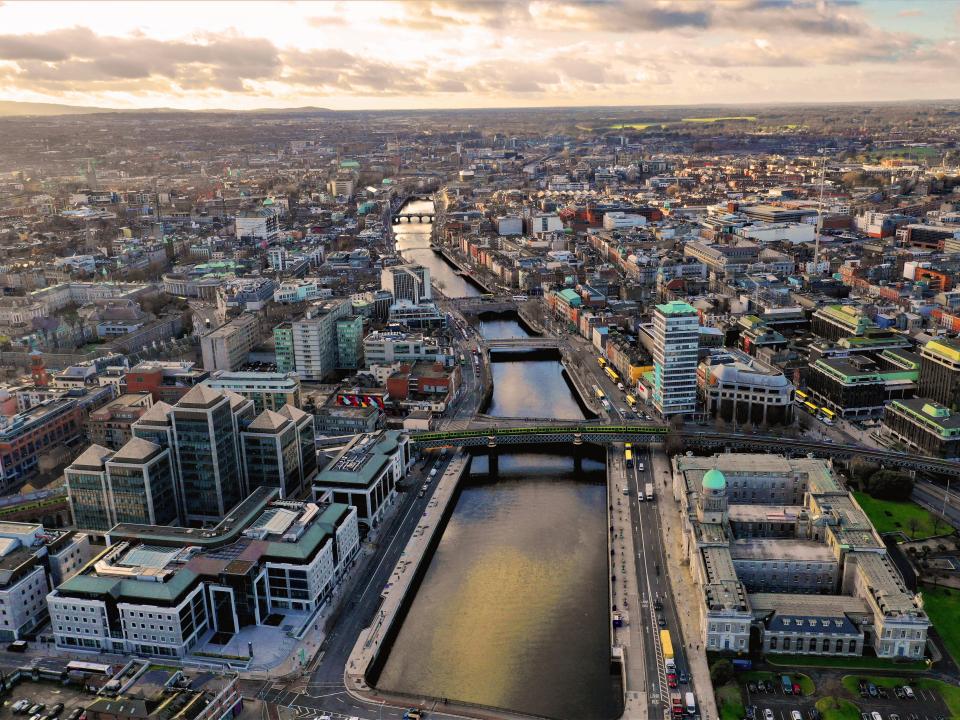
RIAM is located in the heart of Dublin, close to many of Ireland’s principal cultural institutions, venues and national ensembles.

The city offers a rich mix of orchestral, operatic, chamber, traditional, contemporary and popular music. Students can experience professional performances throughout the year while becoming part of Dublin’s wider creative community.

The campus is within walking distance of the city centre and is well connected by public transport to the wider Dublin region.

See yourself at RIAM

Begin your next year in music

Explore RIAM’s undergraduate and postgraduate programmes, learn how auditions work and discover what you will need to apply as an international student.